
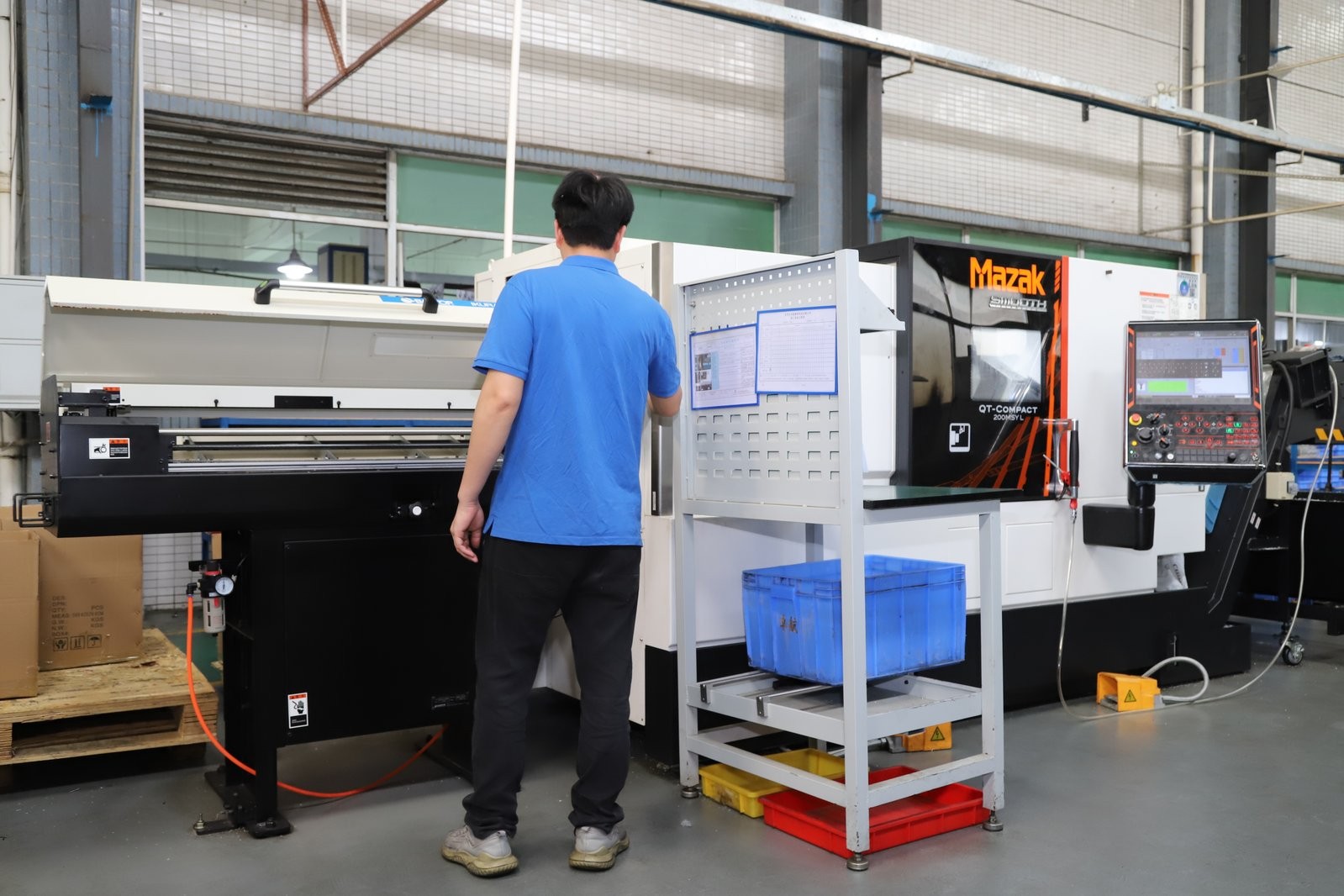
Medical components are not "normal CNC parts with tighter numbers." They carry documentation, traceability, and validation expectations that most machine shops cannot meet. This guide is about qualifying a supplier who can actually ship medical-grade work.
What Precision Medical Machining Requires
Beyond tight tolerances, medical machining demands a controlled, documented process: material traceability from mill to finished part, validated cleaning and passivation where implants or instruments contact the body, and inspection records that survive an auditor's review years later. The buyer is not buying a shape; they are buying evidence the shape was made right every single time. A shop without that discipline is a liability, not a vendor.
Process and Equipment Options
Medical parts span turning (surgical shafts, bone screws), milling (instrument bodies, implant blanks), and often 5-axis for complex implant geometries. The equipment matters less than the system around it:
- Material certification (mill test reports) traceable to each lot.
- In-process probing and SPC so a drift is caught, not shipped.
- Cleanroom or controlled-environment finishing where required.
- Validated processes (passivation per ASTM F86, etc.) with records.
Quality Control and Inspection
Expect ISO 13485-aligned practice for the quality system (many suppliers hold ISO 9001:2015 and IATF 16949:2016 (product design excluded) as the manufacturing baseline; ISO 13485 is the medical-specific expectation to ask about). Require:
- First Article Inspection and full CMM reporting on critical features.
- Cpk on key characteristics ≥1.67 for production.
- Full material cert chain and batch-level traceability.
- Cleanliness and passivation validation records where applicable.
Materials and Process Options
Common medical materials: 316L and 17-4PH stainless, titanium Grade 5 (Ti-6Al-4V), CoCr alloys, and PEEK for non-metallic implants. Each machines differently — titanium work-hardens and hates dwell; PEEK needs tight thermal control. A supplier who has run your specific material at volume is worth more than one quoting from a handbook.
Cost and Lead-Time Drivers
Medical part cost is dominated by documentation and validation, not just spindle time. The levers: design for manufacturability (fewer setups, standard features), commit to steady volume (lets the supplier plan validated cells), and consolidate finishing under one quality system. Lead time stabilizes once you are a scheduled program; the first article and process validation are the real gate, not the machine.
A Practical RFQ Checklist
- Drawing with GD&T, critical dimensions flagged, biocompatibility class noted.
- Material grade, certification level, and any regulatory standard (ISO 13485, ASTM).
- Required documentation: FAI, Cpk, CoC, cleaning/passivation validation.
- Volume, batch size, repeat cadence, and any sterilization compatibility.
Our resources hub includes a regulated-industry supplier scorecard.
How Zhuohang Precision Machining Factory Approaches Medical Work
We hold ISO 9001:2015 and IATF 16949:2016 (product design excluded) and run SPC with Cpk reporting on production — the manufacturing baseline medical programs build on. For medical-grade work we scope the documentation and traceability explicitly in the quote, so you know exactly what evidence you will receive with each lot. Talk to [email protected] about your specific compliance requirements before you commit volume.
Frequently Asked Questions
What quality system does medical machining require?
ISO 13485 is the medical-specific expectation; many suppliers operate on ISO 9001:2015 / IATF 16949:2016 (product design excluded) as the manufacturing baseline. The deciding factor is documented traceability, validated processes, and inspection records, not just tight tolerances.
How do I verify a supplier can hold medical tolerances at volume?
Ask for a Cpk report from a similar program (key characteristics ≥1.67) and full material cert chain with batch traceability. If they cannot show process evidence, they are not ready for regulated supply.
Which materials are common in medical machining?
316L and 17-4PH stainless, titanium Grade 5, CoCr alloys, and PEEK. Each machines differently, so a supplier with volume experience in your specific material matters more than a generic machine list.
Sourcing medical-grade parts? Send your drawing and compliance requirements to [email protected] or start with our regulated-industry scorecard. Get a quote with documentation scoped in.